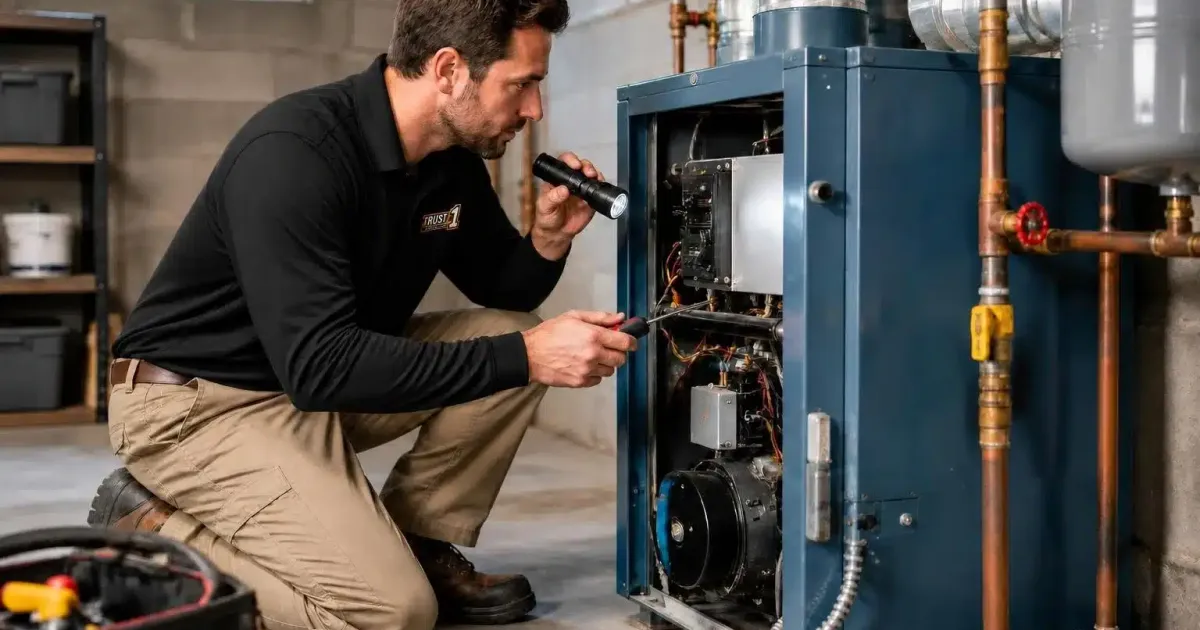
Hiring a Licensed Heating Contractor in Quincy, MA

How to Find a Central Heating Engineer in Quincy, MA
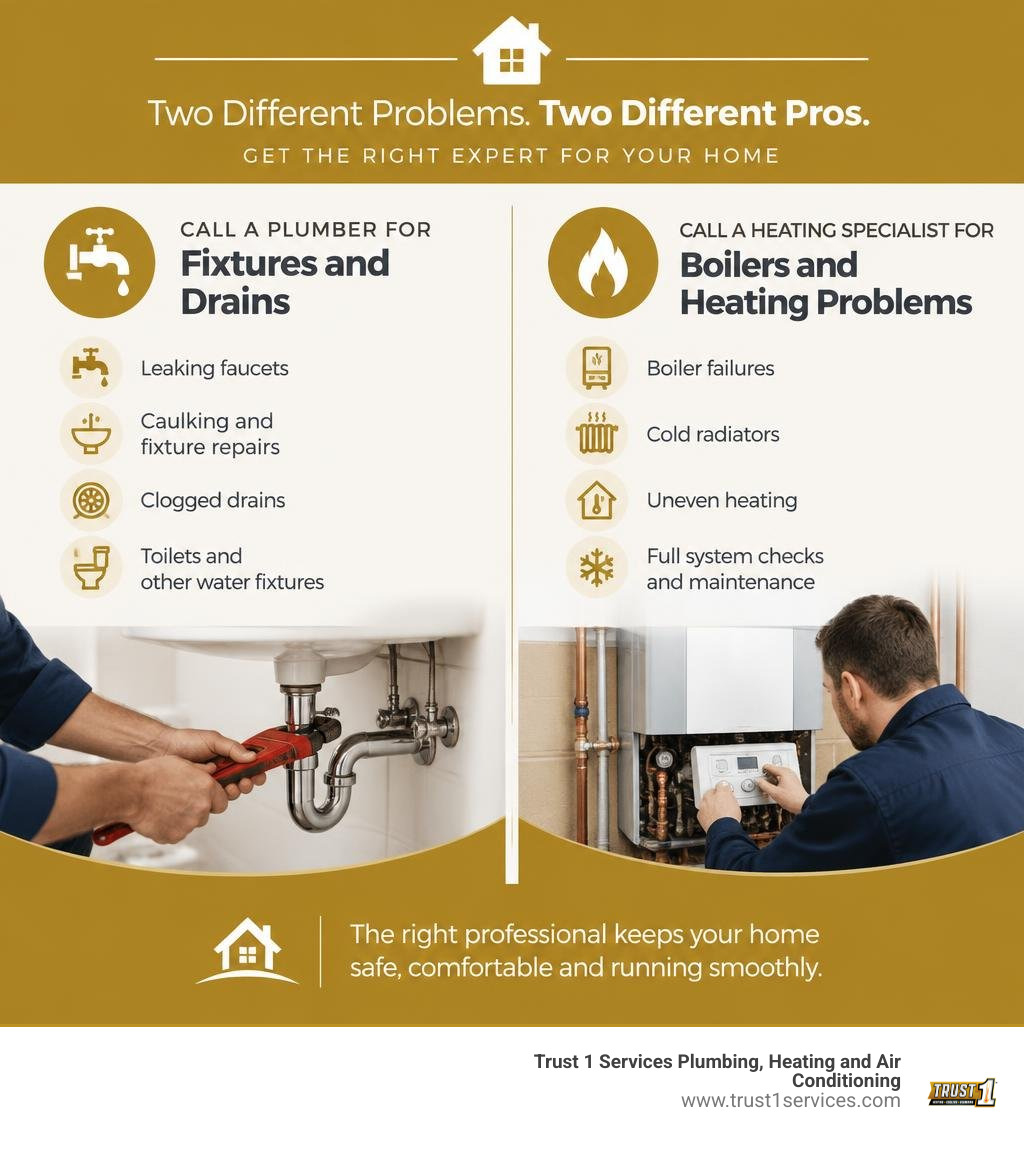
If your boiler fails, your radiators stay cold, or your home heats unevenly, call a heating contractor (a central heating engineer) with experience in your type of system. In Quincy, ask for the contractor’s license information, check that they are qualified for any gas work, and get a written estimate before work starts. For a leaking faucet or clogged drain, call a plumber instead.
November is a good time to book a heating check before Quincy’s colder weather puts more strain on your system. Trust 1 Services Plumbing, Heating and Air Conditioning has experience checking home heating systems. This guide will help you choose the right professional for your home.
What Does a Professional Central Heating Engineer Do?
A central heating engineer works on systems that produce heat and move it throughout your home. These specialists find heating problems, install efficient boilers and furnaces, and check safety controls. They also adjust radiators for even heat and install fuel lines. Unlike standard home repairs, heating work involves fuels that can catch fire, electrical connections, and pressurized steam or hot water.
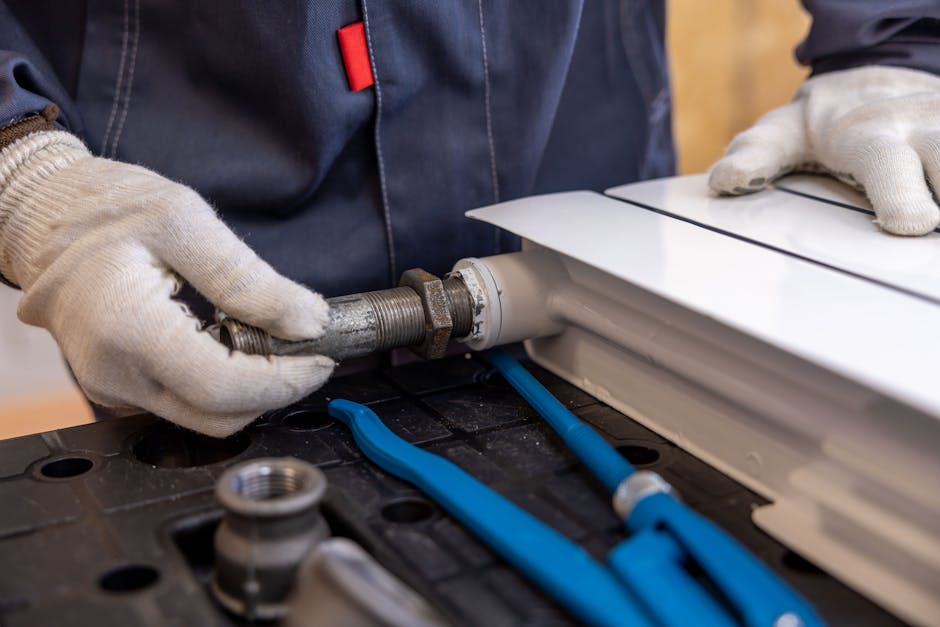
Heating technicians need thorough training for their daily work. The U.S. Bureau of Labor Statistics describes their work as installing, testing, and servicing heating and cooling equipment. These professionals follow safety codes to help appliances run safely and efficiently and to reduce the risk of fuel or exhaust gases entering living spaces.
Typical tasks that Trust 1 Services Plumbing, Heating and Air Conditioning performs include:
- Installing and adjusting high-efficiency gas boilers and furnaces.
- Installing and repairing gas supply piping to meet safety codes.
- Using a powered water flush to clear sludge and mineral buildup from hot-water (hydronic) baseboards and radiators.
- Finding faulty thermocouples (pilot-light safety sensors), zone valves (which control heat in each area), water circulation pumps, and electronic igniters.
- Choosing and connecting smart thermostats and zone dampers (powered duct flaps) for even temperatures.
- Testing how fuel burns and checking exhaust gases for carbon monoxide risks.
Plumber vs. Central Heating Engineer: Key Differences
Many homeowners assume that any plumber can repair a broken heating system. While some licensed tradespeople hold credentials in both fields, their core areas of focus differ significantly.
Plumbers mainly work on drinking water supplies, household fixtures, and drains. They install faucets, fix toilet leaks, clear blocked sewer lines, and repair domestic water heaters. A heating engineer focuses on how heat moves, how fuel burns, and how exhaust leaves the home. They also work on systems that move heat through ducts or sealed water pipes.
Anyone working on fuel-burning equipment or gas lines must hold the licenses required for that work. Ask about their training in safe fuel burning, too. Hiring an unlicensed worker for a boiler or gas appliance puts your property and household at serious risk.
| Service or Task | Standard Plumber | Central Heating Engineer |
|---|---|---|
| Leaking Bathroom Faucet or Clogged Sink | Yes | No |
| Sewer Line Clearing & Drain Cleaning | Yes | No |
| Gas Boiler Installation & Repair | No (unless certified) | Yes |
| Gas Supply Line Sizing & Leak Repair | No (unless certified) | Yes |
| Adjusting Baseboards and Radiators / Releasing Trapped Air | Yes | Yes |
| Fuel-Burning Safety & Exhaust Gas Testing | No | Yes |
| Thermostat & Zone Control Wiring | No | Yes |
| Power Flushing Hydronic Systems | Yes | Yes |
Ductless Heating and Cooling Systems
Heating contractors also design and install heat pump systems. In New England communities like Quincy, ductless mini-split systems offer heating and cooling for separate areas of a home. These systems connect indoor units to an outdoor unit without air ducts.
Proper sizing is crucial for ductless units. Trust 1 Services Plumbing, Heating and Air Conditioning checks your home’s size, insulation, windows, and local weather to choose the right system size. Technicians measure heating and cooling capacity in British thermal units (BTUs) per hour. When an experienced technician installs them properly, ductless systems can provide reliable heat in freezing weather. Energy savings depend on the system and the equipment it replaces. can a heat pump efficiently heat my home? explains what Quincy homeowners should consider before choosing this type of system.

Clear Signs Your Central Heating System Needs Professional Service
Heating systems rarely break down without warning. Recognizing early symptoms of mechanical wear prevents sudden system failures during sub-freezing winter nights in Massachusetts.
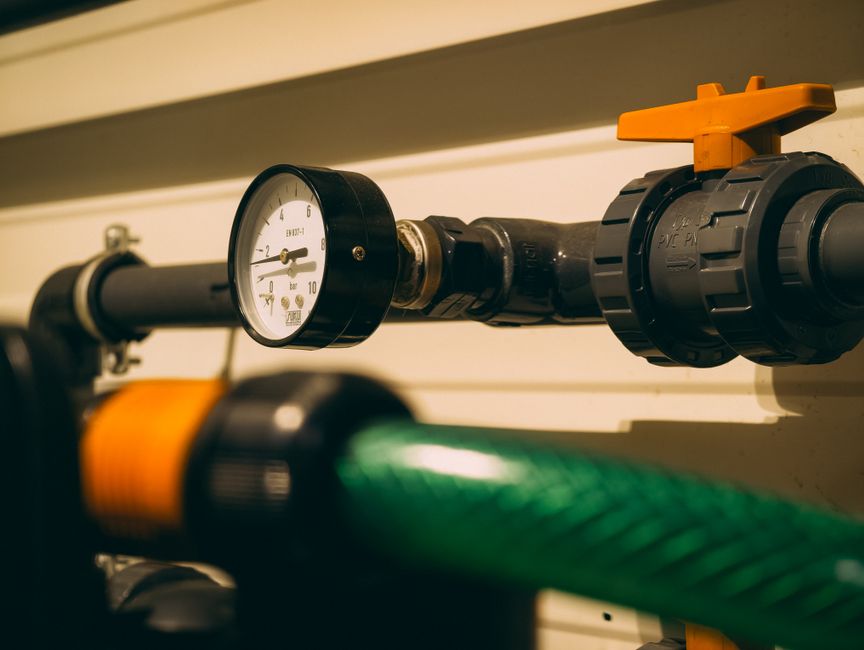
Watch for these warning signs that indicate your heating setup needs immediate professional attention:
- Uneven Heating or Cold Spots: If some rooms remain freezing while others overheat, your radiators may contain trapped air, your zone valves may be failing, or your system may not spread heat evenly.
- Unusual Boiler or Furnace Sounds: Banging, whistling, or rumbling often points to mineral buildup on the heat exchanger, the part that transfers heat. Technicians sometimes call this rumbling kettling. A worn bearing in the water pump or a burner that lights too late can also cause noise.
- Frequent Pressure Drops: Hot-water boilers need steady water pressure, usually between 12 and 15 pounds per square inch (PSI) when cold. Frequent pressure loss can point to leaking pipes or a torn membrane inside the expansion tank, which helps control pressure.
- Discolored Burner Flame: A healthy natural gas burner usually produces a blue flame. A yellow or flickering orange flame can signal fuel that is not burning fully, which can produce dangerous carbon monoxide.
- Unexplained Spikes in Utility Bills: A sudden increase in your heating fuel or electric bill without a change in use may mean your system is losing efficiency due to dirty heat exchangers or failing parts.
If you notice any of these issues, Trust 1 Services Plumbing, Heating and Air Conditioning provides prompt heating repair to diagnose the underlying malfunction before it worsens.
Professional furnace repair resolves issues like short cycling (turning on and off too often) or blowing cold air to restore dependable comfort across your home.
What Affects Central Heating Service and Installation Needs
Understanding the costs associated with central heating maintenance, repairs, and replacements helps you plan your home maintenance budget effectively. Pricing varies depending on the type of equipment, fuel source, home layout, and the complexity of the job.
A licensed heating specialist can assess the system, explain the work involved, and provide a written estimate before service begins. Routine maintenance can help identify developing issues before they lead to an emergency breakdown during severe weather.
| Service Type | What Can Affect the Work |
|---|---|
| Boiler or Furnace Service | Fuel type, equipment accessibility, and the age of the unit |
| Central Heating Repair | The failed part, diagnostic findings, and the condition of related components |
| Major Component Work | The component involved, system design, and control compatibility |
| Emergency Heating Service | Scheduling availability, after-hours timing, and needed parts |
| Radiator Work | Radiator type, piping adjustments, and access to the installation area |
| Boiler Installation | Equipment selection, venting requirements, and fuel conversion needs |
| Full System Replacement | Boiler choice, piping condition, radiator needs, and home layout |
Why Annual Boiler Servicing Protects Your Investment
Scheduling an annual heating tune-up every autumn before firing up your system for the winter pays for itself in performance and safety. As soot and mineral scale build up on heat exchangers, heat transfer drops, forcing your system to burn more fuel to maintain set temperatures.
Routine professional servicing provides four primary benefits:
- Warranty Protection: Check your boiler or furnace warranty for service requirements. Keep records of professional maintenance to help meet those terms.
- Lower Utility Bills: Clean burners and properly adjusted controls support efficient operation, helping keep fuel costs manageable throughout the winter.
- Carbon Monoxide Prevention: Technicians check the condition of the heat exchanger and exhaust pipes to find dangerous exhaust leaks before they threaten your family.
- Extended Equipment Lifespan: Finding worn seals, failing valves, and damaged electrical parts early helps prevent major breakdowns and early equipment replacement.
Understanding how often to service a boiler supports steady system performance. For seasonal timing guidance, learn when to schedule a furnace or boiler tune-up before the heating season. Preparing your heating system for winter reduces energy waste and safeguards your home throughout cold New England weather.
How to Hire the Right Heating Contractor for Your Home
Check a contractor’s qualifications carefully to protect your home and finances. Heating systems use pressurized water or steam, and many burn fuels that can catch fire. Poor work can cause property damage or safety hazards.
Follow these vetting guidelines when selecting a professional:
- Verify Proper Licensing and Certifications: In Massachusetts, ask for an active state trade license that covers the planned work. For gas work, confirm that the contractor holds the required state gas fitting credentials.
- Check Insurance Coverage: Request proof of active general liability insurance and workers’ compensation coverage to help protect against job site accidents.
- Examine Verified Customer Reviews: Look for independent customer feedback on Google, the Better Business Bureau, and verified trade directories. Check comments about reliability, communication, and cleanliness.
- Request Itemized, Written Estimates: Ask for a written quote that lists labor, materials, permit fees, and warranty terms. Confirm whether the price is fixed and what could change it.
- Confirm Emergency Availability: Heating failures can happen during extreme cold. Ask whether the company offers emergency service.
What to Ask a Central Heating Engineer Before Hiring
Before approving any heating work, ask these straightforward questions to evaluate the contractor’s expertise:
- Are you fully licensed, insured, and certified for my specific fuel type (natural gas or electric)?
- Do you provide a written, fixed-price quote before starting work?
- Will you handle all required local municipal permits and safety inspections?
- What warranties do you offer on labor and installed equipment?
- How long will the installation or repair take, and when can you begin?
Frequently Asked Questions About Heating Contractors
What should I tell the contractor when booking a visit?
Describe the symptoms, when they started, and which rooms or equipment they affect.
How can I prepare for a heating service visit?
Clear a path to the equipment and gather any service records you have.
Should I repair or replace my heating system?
Ask the contractor to compare the repair cost, equipment condition, and replacement options before you decide.
Securing Safe and Reliable Home Heating in Quincy, MA
Preparing your heating system for the New England winter takes skilled work, prompt service, and dependable equipment. Your home may use a cast iron steam boiler, a condensing heating system that recovers heat from exhaust, or a ductless mini-split. Experienced professionals help keep your home warm and safe during the coldest months.
When you need trusted local support, Trust 1 Services Plumbing, Heating and Air Conditioning delivers reliable heating and cooling solutions across Quincy, MA. Trust 1 Services Plumbing, Heating and Air Conditioning provides clear, upfront pricing, flexible financing options, and same-day service with a 100% satisfaction guarantee. To schedule an annual system tune-up, boiler repair, or heating upgrade, contact our heating service specialists.